



Month: <span>November 2026</span>
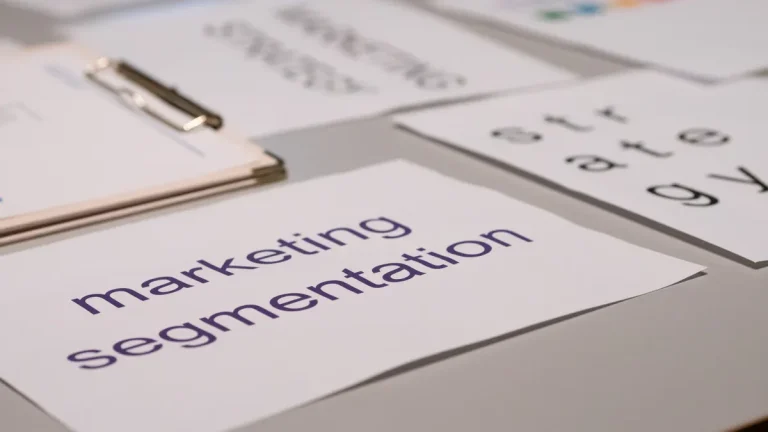
SaaS Audience Discovery and Segmentation Guide
SaaS audience discovery and segmentation — The Complete Guide works best when you start with public signals, then sort accounts into fit,…
How to Track a SaaS Release Across Sources
A SaaS release is easiest to track when you read the changelog , docs , and in-app notice as one trail, not…
How to Read a SaaS Launch Email for Product Scope and Rollout Timing
How to Read a SaaS Launch Email for Product Scope and Rollout Timing: A SaaS launch email for Product Scope and Rollout…

How to Compare SaaS Plans and Find the Real Entry Point
For How to Compare SaaS Plans to Find the Real Entry Point for a Buyer , the real entry point is the…
How to Spot a SaaS Launch That Is Really a Repositioning Move
A SaaS launch is usually a repositioning move when three things change at once: category language, audience, and problem framing. In this…

How to Read a SaaS Trial Page for Conversion Friction
How to Read a SaaS Trial Page for Conversion Friction and Qualification Signals is a way to spot whether a vendor wants…
How to Tell Whether a SaaS Release Note Means a UI Change
A SaaS release note can look like a harmless polish update and still change how people get work done. If the note…
How to Identify a SaaS Soft Launch Before the Main Announcement
In most cases, you can identify a SaaS soft launch in 5 checks: limited access, beta wording, a waitlist or invite code,…

How to Track a SaaS Pricing Shift from Flat-Rate
How to Track a SaaS Pricing Architecture Shift from Flat-Rate to Usage-Based is easiest to spot when the billing unit changes, not…
How to Spot a SaaS Add-On That Used to Be Included in the Core Plan
How to Spot a SaaS Add-On That Used to Be Included in the Core Plan: Your SaaS bill looks unchanged, but one…