





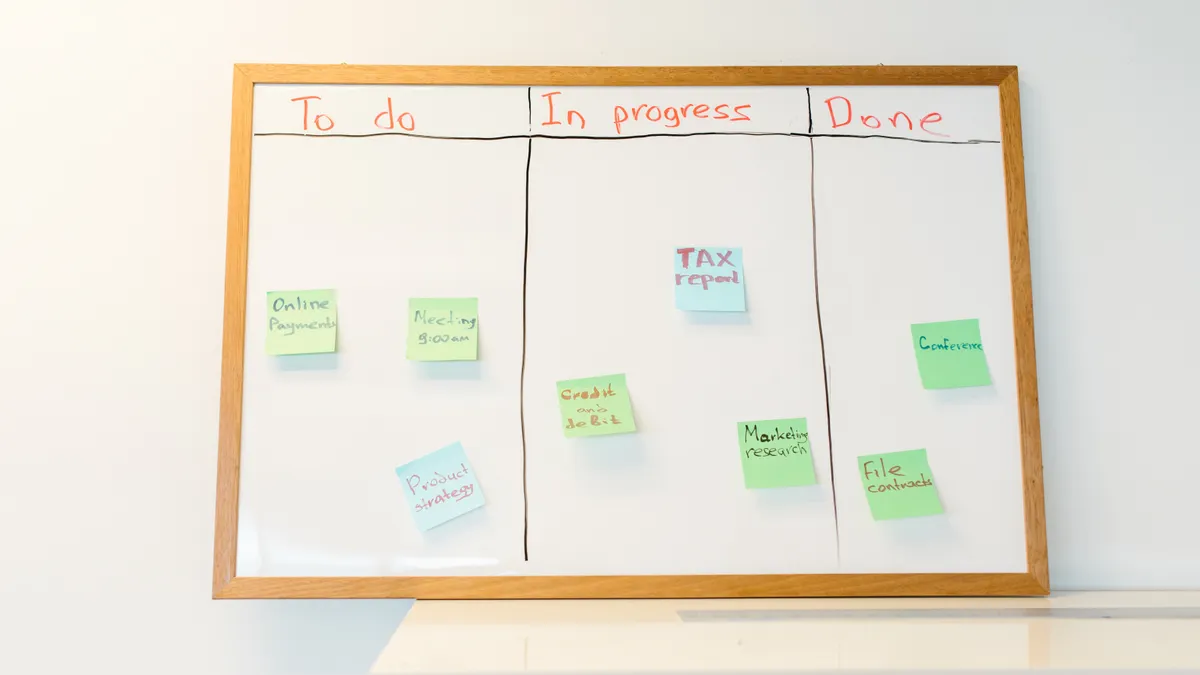
A SaaS editorial handoff workflow usually works best with 5 states: assignment, draft, edit, revision, and final review. In this article, How to Build a…
Last updated: November 14, 2026
Quick Answer: A SaaS editorial handoff workflow usually works best with 5 states: assignment, draft, edit, revision, and final review. In this article, How to Build a SaaS Editorial Handoff Workflow for Assignments, Drafts, Edits, and Final Review means a state-based system with one owner per step and one place to check status.
A broken SaaS editorial handoff workflow turns assignments, drafts, edits, and final review into guesswork. The fix is a clear, state-based workflow with one owner per step and one place to check status. The steps below settle how to move an article from assignment to final approval without losing the thread.
What an editorial handoff workflow should do
An editorial handoff workflow should usually move one assignment through named steps so the editor knows who has it, what changed, and what happens next. In a SaaS team, that often means assignment, draft, edit, revision, and final review.
Picture this: you’re juggling six articles, two writers, and a product launch note that must ship before Friday. You don’t need more meetings. You need one editorial handoff workflow that makes the next owner obvious in under 10 seconds.
That workflow is not a content calendar. It is not a brainstorm doc. It is the path work follows after the assignment is made.
A usable workflow has three jobs:
- show the current status of the article
- show the next owner
- show the blocker, if there is one
The truth is, most team pain starts when those three things live in different places. A writer thinks the draft is “almost done.” The editor thinks it is still with the writer. The final reviewer never sees it because nobody marked the revision as ready.
This page sits under the broader SaaS audience routing and editorial operations hub, which is where the bigger routing model belongs. Here, the job is narrower: move the article through the handoff itself. See the editorial operations hub, the SaaS content calendar, and the content approval workflow for related process pieces.
How do editorial handoffs work?

Editorial handoffs work by changing ownership at each step, with a clear status label and a visible due date. If the team uses the same status words every time, nobody has to guess whether the article is in draft, edit, or final review.
Picture this: you open the project board and see one article labeled “assigned,” another “in draft,” and a third “needs final check.” You know exactly what to do next because the status tells you the handoff point.
A clean handoff usually includes these parts:
- Assignment: the editor gives the writer the topic, angle, deadline, and output format.
- Draft: the writer owns the first full version.
- Edit: the editor comments, restructures, or trims.
- Revision: the writer fixes the draft and marks it ready again.
- Final review: the editor or final approver gives the last yes.
Here’s the catch: the handoff fails when “done” means different things to different people. A draft that is complete in the writer’s mind may still be missing sources, internal links, or the headline file the editor needs.
Use one status per handoff, not three. An article should not be “in progress,” “reviewing,” and “with editor” at the same time. Pick one clear state and a standard meaning for it.
A simple rule helps: if a person is expected to act next, the workflow should name that person or role. If nobody is expected to act, the item is probably stuck.
Build the assignment step so nothing gets lost
The assignment step should capture the brief, the owner, the deadline, and the acceptance rules before the writer starts. If the assignment is weak, the rest of the workflow has to patch holes later.
Picture this: you’re handing a story to a writer at 4:30 p.m., and you want the first draft by the next morning. A good assignment message does not ramble. It gives the writer the exact job and tells the editor what “ready” means.
Use a standard assignment record with these fields:
- article title or working title
- assigned writer
- editor owner
- due date and time
- source notes or links
- required sections, if any
- final reviewer, if different from the editor
If your team uses Notion, Asana, Trello, Airtable, Jira, or Linear, the tool matters less than the fields. The handoff fails when the assignment lives in a chat thread and the deadline lives in a spreadsheet. See the Notion task database guide, the Asana project management guide, and the Jira workflow guide for related setup ideas.
A good assignment also includes the first status move. For example: “Assigned → Draft due Tuesday 10:00 a.m.” That tiny bit of structure can help prevent the common “Who owns this now?” message two days later; if the handoff affects client work, consult a professional process owner or editor before standardizing it. The APA style guide is a useful reference point for process consistency.
The trade-off is simple. A detailed assignment takes a few more minutes up front, but it cuts back-and-forth later. A thin assignment is faster to send and slower to fix.
What should happen during draft review?
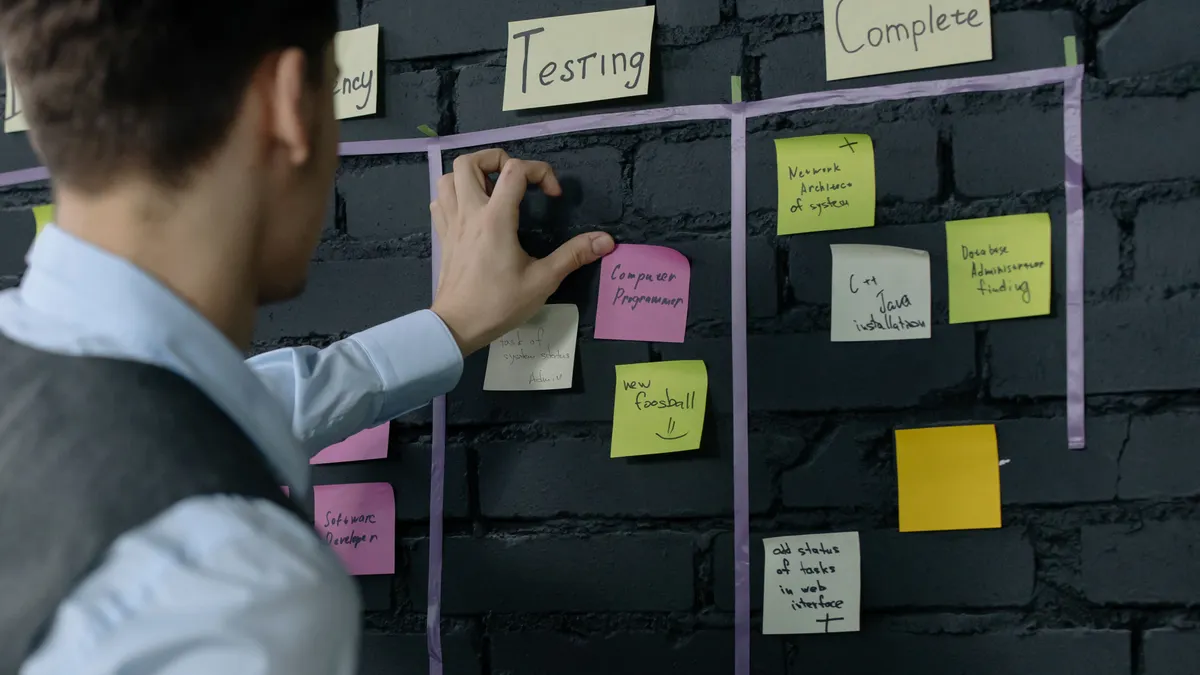
Draft review should check structure, accuracy, and fit before the editor starts line edits. That keeps the editor from polishing a piece that still needs surgery.
Picture this: you open a draft and it has a strong intro, but the middle repeats itself and the final section never answers the reader’s real question. Draft review is where that gets caught before the team spends another hour on phrasing.
Use a review pass with three levels:
- Structure check — does the article answer the right question in the right order?
- Content check — are the claims, examples, and terms of art correct?
- Fit check — does the draft match the assignment brief and audience?
This step should be separate from copyedit. If the editor is still changing headings and section order, the draft is not ready for final language cleanup. Mixing those jobs makes comments noisy.
A clean draft review process often includes:
- comments in one tool, not five
- one owner for the review round
- a clear status such as “needs revision” or “approved for edit”
- a short note that says what must change, not just what feels off
The draft review note can be brief and still useful. “Lead is too broad; add the handoff sequence and make the owner in each step obvious” is better than a page of vague remarks.
What it should not do: rewrite the entire article in comments. If the editor is rewriting the whole draft, the writer did not get a real assignment, or the topic itself needs to be reassigned.
How do editors and writers manage revisions without confusion?
Revisions stay clean when the team uses one status change, one comment thread, and one person responsible for the next move. Otherwise the draft bounces between “almost there” and “waiting on edits” for days.
Picture this: the writer fixes the first round of notes, but the editor cannot tell whether the latest version is in the document, in email, or in a new file named final-final-v2. That is not a workflow. That is drift.
A revision loop should work like this:
- editor marks the article as needs revision
- writer gets one clear list of changes
- writer updates the draft in the same source file
- writer marks the article ready for re-review
- editor checks only the requested changes and either approves or sends one more round
Keep the revision status simple. “Needs revision,” “in revision,” and “ready for final review” are enough for most SaaS teams. Too many labels slow people down.
Two common mistakes cost time fast:
- Too many editors touching one draft: the writer gets mixed signals, and ownership blurs.
- No version rule: people keep old copies, and nobody knows which draft is current.
Use version naming if your system does not track versions cleanly. Even a plain rule like “draft name + date” is better than guessing. If your stack supports comments, approvals, and change history in one place, use those features. If it does not, make the naming rule stricter. For more on versioning and content operations, see the content operations hub and the editorial style guide.
The fix is boring, which is usually a good sign: assign one owner per step and use one shared file or task record. Tight revision rules can feel slow on day one, but they prevent the 11 p.m. scramble where no one knows which draft got approved.
What belongs in the final review step?
Final review should confirm that the article matches the assignment, reflects the latest edits, and is ready to move to publication or the next operational owner. It is a check, not a fresh edit round.
Picture this: the draft is clean, the claims are fixed, and the title is approved. Final review is where you catch the last missing link, the stray placeholder, or the section that no longer fits after revisions.
The final review step should verify:
- the latest version is the one in hand
- all required edits are complete
- the article still matches the assignment
- any last approval is recorded
- the handoff to publishing or scheduling is clear
This is also the right place to define a “final” status. If final review means “approved,” say so. If it means “approved and queued for publish,” say that instead. Ambiguous final statuses create a second handoff problem right after the first one.
The step should stay short. If final review takes as long as a draft edit, the team is using it for the wrong job.
One useful standard is a final-check checklist with five to seven items. Keep it short enough that a reviewer can finish it in a few minutes. Longer than that, and people stop using it.
A practical workflow you can copy into your team
A practical workflow uses five states, one owner per state, and one review path from assignment to final approval. That is enough for most SaaS editorial teams and keeps the process readable in tools like Asana, Airtable, Notion, or Jira.
Picture this: you’re building the workflow from scratch and want something the team will actually follow. Start with fewer steps than you think you need. If the flow works, you can add detail later.
Use this order:
- Assignment — editor creates the task, sets the due date, and names the writer. Result: the job has an owner before writing starts.
- Drafting — writer creates the first complete version in the shared doc. Result: the editor has one source of truth.
- Draft review — editor checks structure, accuracy, and fit. Result: the team knows whether the draft needs revision or is ready for edits.
- Revision — writer applies changes and marks the article ready again. Result: the latest version is clear.
- Final review — editor confirms the article is approved and ready for the next step. Result: the handoff is closed.
If the team is small, one editor may own both draft review and final review. If the team is larger, split those jobs so the final checker is not also the person making the biggest edits.
A useful rule: every status change should answer two questions in one glance — who has it now, and what happens next? If the answer takes a message thread to explain, the workflow is too loose.
Common handoff mistakes that slow SaaS teams down
Common handoff mistakes slow SaaS teams down by hiding ownership, mixing review types, and letting version control slip. Those three issues create the most wasted time in editorial operations.
Picture this: an article is “waiting on edits,” but the editor thinks the writer is still drafting. Meanwhile, the final reviewer is waiting for a clean copy that never arrives. That kind of delay usually comes from the workflow, not the writer.
Watch for these problems:
- No clear owner: the task sits in a shared lane and no one feels responsible.
- No status rule: “review” can mean draft notes, copyedit, or final approval.
- Separate drafts everywhere: the current version gets lost in comments, email, or duplicate files.
- Late final review: the article is nearly done, but nobody checked the last required details.
Each mistake has a cost. The team spends more time asking where the article is than improving the article itself. Deadlines slip. Writers get frustrated because feedback arrives in chunks instead of one clean round.
The fix is boring, which is usually a good sign:
- assign one owner per step
- use one shared document or task record
- define statuses before work begins
- make final review a short, named checkpoint
The best editorial systems are not fancy. They are predictable. A reader should be able to look at the workflow and know why an article moved, who moved it, and what still needs attention.
The general rule is simple: if the workflow cannot survive a busy week, it is not a workflow yet.
What to standardize first, before you scale the process
Standardize status names first, then ownership rules, then review criteria. If those three are fixed, the workflow can handle more writers without becoming messy.
Picture this: your team is still small, but you already know the process will grow. This is the time to lock in the basics, before every editor invents their own way of moving a draft forward.
Start with these standards:
- Status names: assigned, drafting, needs revision, ready for final review, approved
- Owner rules: one person is accountable at each step
- Review rules: what must be checked in draft review and final review
- File rules: where the current draft lives and how it is named
- Escalation rule: what happens when a deadline slips by a day
That last one matters. If a draft is late, the workflow should say who gets notified and what the next action is. A process with no escalation rule turns into silent delay.
If you want the workflow to last, keep the first version plain. Fancy automations are fine later, but a clean manual system beats a clever one that nobody follows.
Key Takeaways
- A good SaaS editorial handoff workflow moves an article through clear states, not vague “in progress” labels.
- Assignment should name the writer, editor, due date, and expected result before the draft starts.
- Draft review is for structure, fit, and accuracy; final review is for the last approval check.
- Revisions work best when one person owns the next move and the latest version stays in one place.
- The simplest workflow is usually the best one if the team can use it on a busy day.
How do editorial handoffs work?
Editorial handoffs work by passing one article from one owner to the next with a clear status and a clear next action.
Drafted with AI; not yet reviewed by a person.